
If you’ve ever walked out of a barbershop feeling like a completely new person, a fade probably had something to do with it. Types of fade haircuts have taken over modern men’s grooming and honestly, it’s not hard to see why. They’re clean, sharp, endlessly versatile, and they work on nearly every face shape and hair type out there.
A fade blends the hair on your sides and back from longer at the top down to very short or even bare skin at the base. No harsh lines, no awkward jumps in length. Just one smooth, seamless transition that gives your whole haircut a neat, polished edge. Barbers use clippers with different guard sizes to pull this off, gradually moving from a higher guard near the top to a lower one near the neckline.
Today, we’re walking through every major type of fade from classic low fades to bold skin fades and everything in between. Whether you’re sitting in the barber’s chair for the first time or just looking to switch things up, this guide has you covered.
Related post: Low Blowout Taper for Black Men with a Clean, Sharp Finish
What Is a Fade Haircut? Understanding the Basics
A fade haircut is all about gradual change. The hair on your sides and back transitions smoothly from a longer length near the top down to a much shorter length at the base sometimes all the way to bare skin. Unlike a standard short back and sides, a fade has no visible line where the hair suddenly changes. It flows naturally from one length to the next, giving the whole style a clean, sculpted look that’s hard to replicate with scissors alone.
What makes different types of fade haircuts so popular is how well they pair with almost any hairstyle on top. You could keep a full, textured crop, slick it back into a pompadour, or even rock a man bun the fade underneath just ties everything together. And the best part? A well-done fade is genuinely low maintenance between barber visits. You don’t need to do much to keep it looking sharp day to day.
Fade vs. Taper vs. Skin Fade: What’s the Difference?
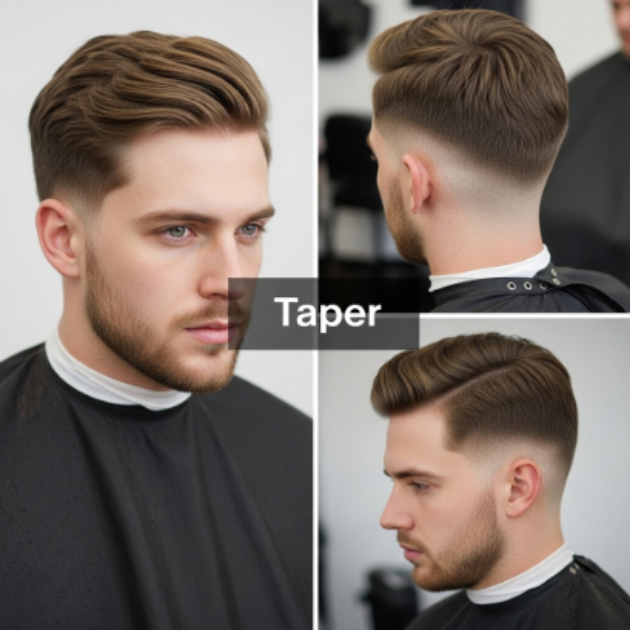
People use “fade,” “taper,” and “skin fade” almost interchangeably but they’re not the same thing. A taper is the subtlest of the three. It gradually shortens the hair near your ears and neckline but doesn’t go very short or cut to the skin. It’s a softer, more classic look. A standard fade has a much more noticeable transition and typically goes shorter than a taper. The taper fade vs skin fade distinction is really about one thing: whether the hair reaches bare skin or not.
A skin fade also called a bald fade or zero fade takes the hair all the way down to the skin at its shortest point. It creates the sharpest, highest-contrast look of the three. It’s bold, it’s clean, and it needs the most frequent upkeep to stay looking fresh. Here’s a quick side-by-side comparison:
| Feature | Taper | Fade (Standard) | Skin Fade |
| Length at shortest | Some hair near ears & neckline | Very short, not bald | Completely bare skin |
| Contrast | Soft, subtle | Noticeable | Strongest, sharpest |
| Vibe | Classic, professional | Trendy, stylish | Bold, clean |
| Maintenance | Fewer touch-ups | Regular shaping | Most frequent upkeep |
When to Pick a Fade vs. a Taper?
The choice really comes down to your style goals, how often you want to visit the barber, and your face shape. If you want something versatile and suitable for the office and casual settings alike, a taper is your best bet. If you want something bolder and more modern, go for a fade. Here’s a breakdown of when each makes sense.
A professional or classic look
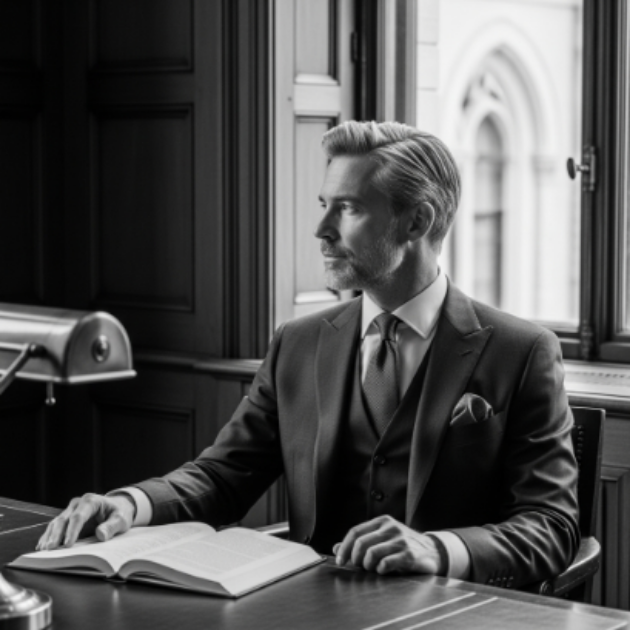
Choose a taper. It’s considered more business-friendly and grows out naturally without looking unkempt. It’s perfect if you need a professional fade haircut for men that holds up nicely between trim appointments.
Lower maintenance
Again, the taper wins here. It stays looking decent for longer and doesn’t need as many touch-ups. Easy maintenance fade hairstyles like tapers are great if you can only get to the barber every four to six weeks.
Versatility
A taper pairs really well with medium-to-longer hair on top, maintaining a natural flow through many different styling options. It’s ideal if you like to switch up your look without committing to one bold extreme.
A bold, modern style
Go for a fade. The contrast between the longer hair on top and the short sides makes a real statement. Modern men’s fade hairstyles are designed to be eye-catching, and a well-done fade delivers exactly that.
To accentuate facial features
High fades are particularly effective at elongating a rounder face and adding strong visual structure. If you want to reframe your face, different types of fade haircuts give you a lot of power to do that.
A very clean finish
A skin fade is your answer. It’s the sharpest, cleanest look you can get at a barbershop and is especially popular among men who want that ultra-fresh feel all the time.
To try a trendy look
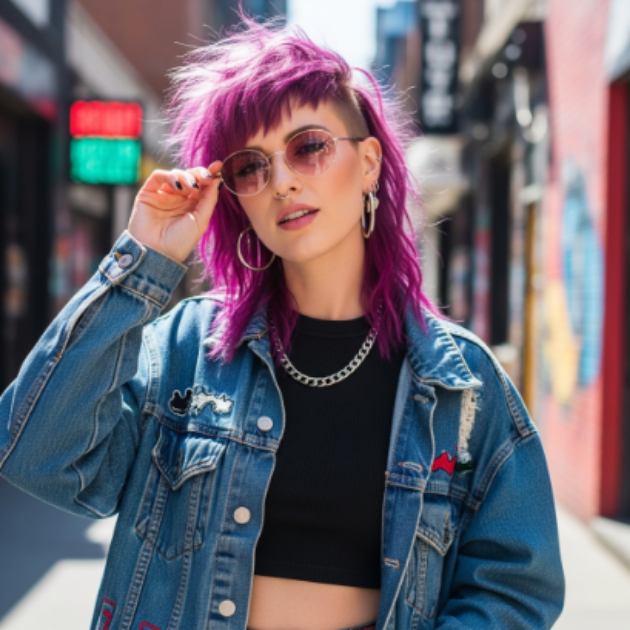
Fades are consistently among the most popular fade haircut trends for men year after year. They can be customized with different lengths, designs, and creative touches making them ideal if you want to stay on the cutting edge.
Top 7 Essential Types of Fade Haircuts
Not all fades are created equal. The main difference between them is where the fade starts on your head and how high it climbs. Here’s a look at the seven core types every man should know from the most subtle to the most striking.
Each style has its own personality and works best with certain haircuts on top. Understanding the difference helps you walk into the barbershop with confidence and know exactly what to ask for.
1. Low Fade Subtle and Stylish
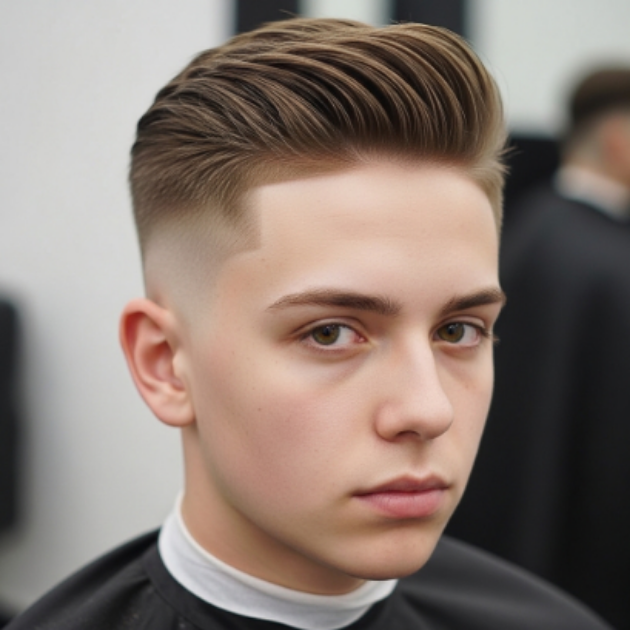
The low fade haircut for men starts just above the ear and is the most understated of all the fades. It keeps most of the hair on your sides intact and only shortens it near the bottom, creating a clean edge without being too dramatic. It’s a great pick for men who want a touch of modern flair without going all-out bold. Low fades work brilliantly with longer tops, comb-overs, and textured styles and they suit virtually every face shape.
2. Mid Fade Balanced and Versatile
Not sure whether to go subtle or bold? The mid fade hairstyle is your sweet spot. It starts around the temple area roughly halfway up the side of your head and blends from there. It’s more noticeable than a low fade but not as dramatic as a high one. The mid fade works with almost any haircut on top, which is exactly why it’s one of the most popular choices in barbershops worldwide.
3. High Fade Bold and Defined
A high fade haircut style starts near the very top of the sides, close to where your hair on top begins. It creates maximum contrast between the short sides and the longer top, making whatever you’re wearing on top really pop. It’s sharp, attention-grabbing, and unapologetically bold. Men who like quiffs, pompadours, or tightly cropped tops tend to love the high fade because it amplifies the visual impact of the whole style.
4. Skin (Bald) Fade Clean and Modern
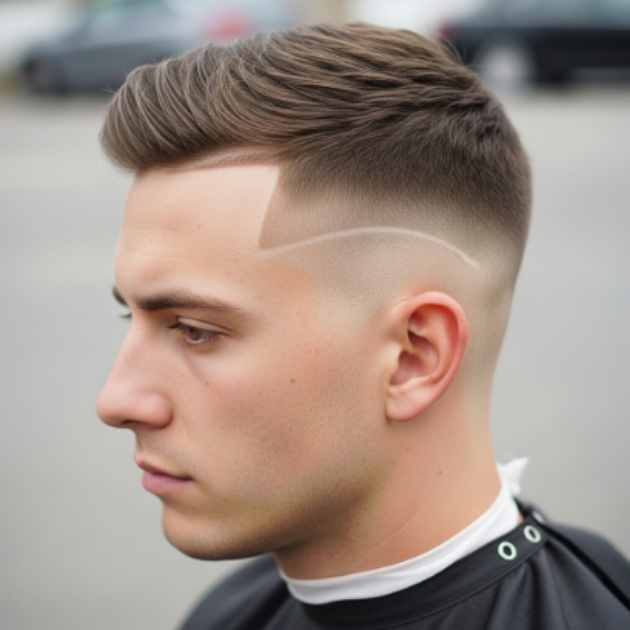
What is a skin fade haircut exactly? It’s a fade that goes all the way down to bare skin zero hair at the lowest point. Also called a bald fade or zero fade, this style can start low, mid, or high depending on how bold you want to go. The skin fade creates the cleanest, sharpest look possible and pairs beautifully with neat, structured styles on top. Plan for barber visits every two to three weeks to keep it looking its best.
5. Drop Fade Unique Curved Fade
The drop fade hairstyle gets its name from the way the fade line curves downward behind the ear before continuing toward the neckline. Instead of following a straight horizontal line like most fades, it arcs gracefully around the ear, adding shape and contour to the cut. It gives a sleek, distinctive outline and works especially well on men with longer hair on top or those who want something a little different without going too extreme.
6. Burst Fade Retro Meets Contemporary
The burst fade haircut radiates outward in a semicircle around the ear, leaving more length at the back of the head. Unlike most fades that taper all the way around, the burst fade creates a sunburst-like shape that frames the ear. It has a retro feel but pairs effortlessly with modern styles like Mohawks, textured crops, or even braids. It’s one of the more creative options in the fade world and it’s well worth trying if you want something with personality.
7. Temple (Taper) Fade Sharp and Sleek
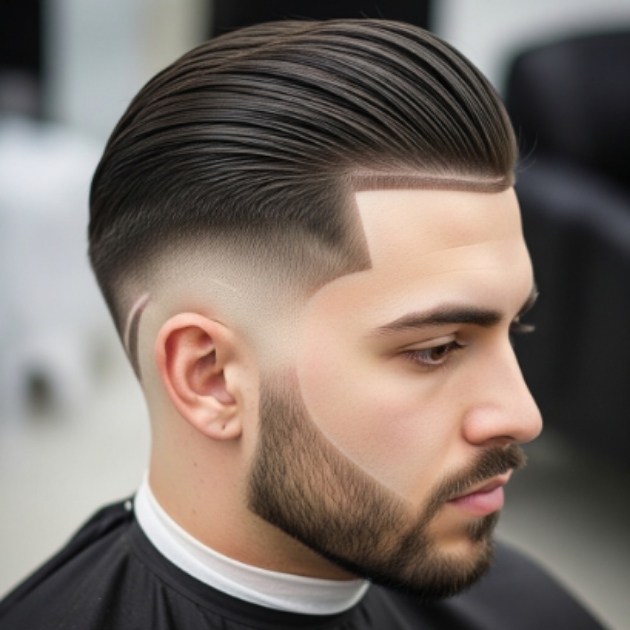
The temple fade haircut focuses specifically on the temples and the area around the hairline rather than the full sides of the head. It creates a crisp, clean outline without dramatically changing the rest of your cut. It’s much less bold than a full fade and works well as an add-on to almost any existing style. If you want sharper edges without committing to a full fade, the temple fade is a smart, low-risk choice.
Specialty Types of Fade Haircuts and Trending Variations in 2026
Fade culture keeps evolving. In 2026, stylish men’s fade haircut ideas are getting more creative, more personalized, and more technically impressive than ever. Barbers are pushing boundaries with new blending techniques and bold design choices that make every cut feel completely unique.
These trending variations aren’t just about looks they reflect a broader shift toward self-expression in men’s grooming. Popular fade haircut trends for men in 2026 are all about combining clean technique with individual flair. Here’s what’s making waves right now.
Blurry Fade
The blurry fade is exactly what it sounds like a fade so seamlessly blended that you genuinely can’t tell where it starts or ends. There are no distinct lines, no visible transitions, just hair that softly dissolves from one length to the next. It’s super clean and modern, and it works especially well on men with finer hair textures where a harder line might look too stark.
Shadow Fade
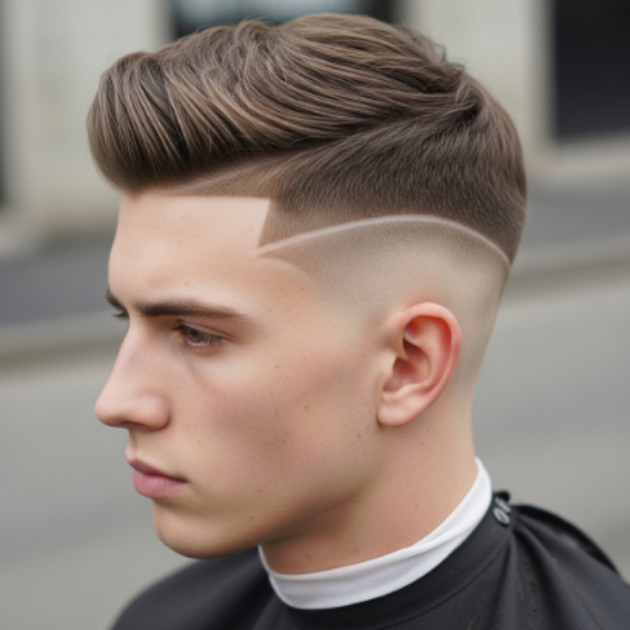
A shadow fade keeps a very light layer of short hair at the base instead of going completely bald. It’s subtler and softer than a skin fade, with a slight shadowy effect near the hairline. Shadow fades are typically styled with textured tops or slick backs to show off the contrast clearly. They’re a great middle ground if you like the idea of a skin fade but want something a touch less aggressive.
Disconnected Fade
The disconnected fade features a sharp, deliberate break between the longer hair on top and the shorter faded sides with no blending whatsoever between the two. It’s a high-contrast, architectural look that makes a real statement. It’s particularly powerful when paired with a bold hairstyle on top like a hard part, a voluminous quiff, or a sharp side part.
Scissor Fade
Unlike clipper cuts that produce a uniform, crisp finish, a scissor fade creates a softer, more organic-looking blend using scissors instead. It’s gentler on the hair and produces a texture that feels more natural and lived-in. It also grows out more neatly than a clipper fade, making it a smart choice for men who want a modern taper fade hairstyle with a handcrafted feel.
Box Fade
The box fade creates a sharp, defined break between the longer hair on top and the closely cut sides, giving the top a squared-off, elevated look. It’s bold, high-contrast, and eye-catching. It works best on dense, kinky, or coily hair textures where the volume and definition really shine. If you have naturally thick hair, this is one of the best fade haircuts for thick hair you can go for.
Fade with Hair Tattoos and Hard Parts
Personalization is one of the biggest trends in men’s grooming right now. Hair tattoos shaved geometric patterns, lines, or designs worked into the fade are increasingly popular as a way to make a haircut feel truly your own. Hard parts, which are razor-sharp shaved lines separating sections of the hair, add a similar level of precision and edge. Together with a clean fade, they create a look that’s genuinely one-of-a-kind.
Mullet Fade and Pompadour Fade
Both the mullet fade and the pompadour fade haircut are hugely popular right now, especially among younger men. The mullet fade keeps length at the back while fading the sides down tightly it’s a bold, modern twist on the classic mullet that actually looks really cool. The pompadour fade, on the other hand, pairs the voluminous height of a pompadour on top with cleanly faded sides, balancing old-school class with contemporary sharpness.
Choosing the Right Fade for Your Face Shape & Hair Type
The best fade haircut for men isn’t just the one that looks great on someone else it’s the one that works with your specific face shape and hair texture. Getting this right makes a huge difference in how the finished cut looks and how confident you feel wearing it.
Here’s a practical guide to matching your fade to your features. And don’t forget that a fade haircut with beard can completely change how a fade frames your face, so factor that in too if you’re rocking any facial hair.
By face shape:
- Oval Lucky you. Most types of fade haircuts will work well. Feel free to experiment.
- Square Sharp, high-contrast fades complement your strong jawline nicely.
- Round A fade haircut for round face shapes works best when it’s high, adding the illusion of length.
- Heart A mid fade balances a wider forehead and narrower chin beautifully.
By hair type:
- Straight hair Sleek, skin, or blurry fades look exceptionally clean and polished.
- Curly hair fade styles Textured fades let your natural curl pattern add shape and volume on top.
- Thick hair Bold, high-contrast fades and box fades handle the density well.
- Thin hair Go softer and subtler. A heavy fade on thin hair can look patchy.
How to Communicate Your Desired Fade to Your Barber?
Knowing how to ask your barber for a fade is half the battle. Even a brilliant barber can’t read your mind so the clearer you are upfront, the better the result. The good news is that you don’t need to know all the technical terminology to get your point across.
A barber guide to fade haircuts starts with three things: a photo, some key words, and a few specific details. Bring a reference image of the exact look you want. Then tell your barber where you want the fade to start (low, mid, or high), how short you want the shortest point (skin, #1, #2, etc.), and how you want the top styled. Phrases like “skin fade with a textured crop on top” or “mid fade blended into a comb-over” give your barber a really clear picture of what you’re after.
Maintenance Tips for Keeping Your Fade Fresh
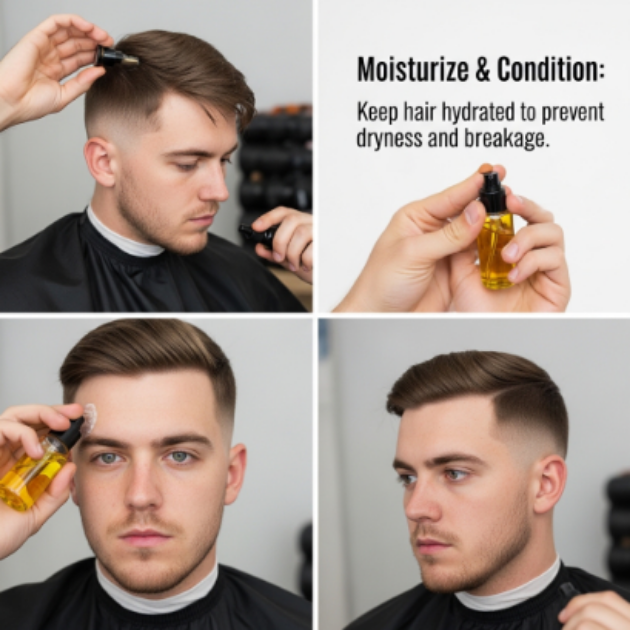
A good fade can look incredible on day one but get messy fast without proper care. The tighter and more precise the fade, the more attention it needs to stay looking sharp. Here’s what to keep in mind.
Easy maintenance fade hairstyles still require a minimum level of upkeep. A little daily routine goes a long way in keeping your cut looking fresh between visits.
How Often to Trim
For most types of fade haircuts, a touch-up every two to three weeks is ideal. Skin fades especially grow out quickly and start to lose their definition within a week or two. Low fades and tapers are more forgiving and may hold up for three to four weeks before needing attention.
Recommended Hair Care Routines
Wash your hair regularly with a good shampoo and follow up with conditioner to keep it soft and manageable. If you have a skin fade, keep the shaved area moisturized dry skin around the neckline can look flaky and dull. A light scalp moisturizer or oil works perfectly for this.
Products That Help Maintain Clean Fades
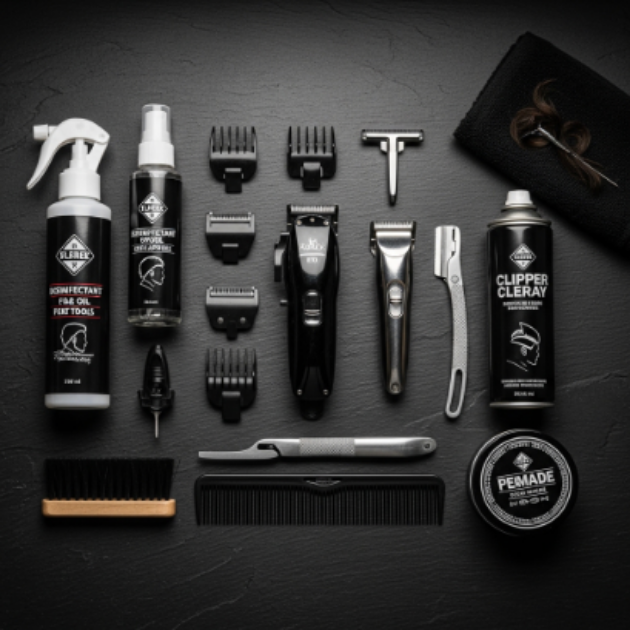
The right product depends on the look you’re going for on top. Matte clay or paste gives a natural finish with strong hold ideal for textured or messy styles. A lightweight pomade works well for sleeker, more defined looks. If you have finer hair and want volume, a volumizing mousse or powder can give your top some lift without weighing it down.
Quick Daily Styling Tips
You don’t need much time to keep a fade looking tidy each day. Run a comb or brush through the top to set the direction of your hair. Apply a small amount of your chosen product less is always more. Then just tidy any edges that have grown out and you’re good to go. That’s it. The fade does most of the visual heavy lifting on its own.
Fade Haircuts by Hair Length
One of the great things about fades is that they’re not locked to one specific hair length on top. Whether you keep your hair short, medium, or long, there’s a version of the fade that works beautifully for you.
The key is matching the intensity of the fade to the volume and weight of the hair on top. A very heavy, voluminous top pairs well with a high or bold fade. A shorter, more minimal top works nicely with a subtler low or mid fade.
1. Short Fade Haircuts Crisp and Easy
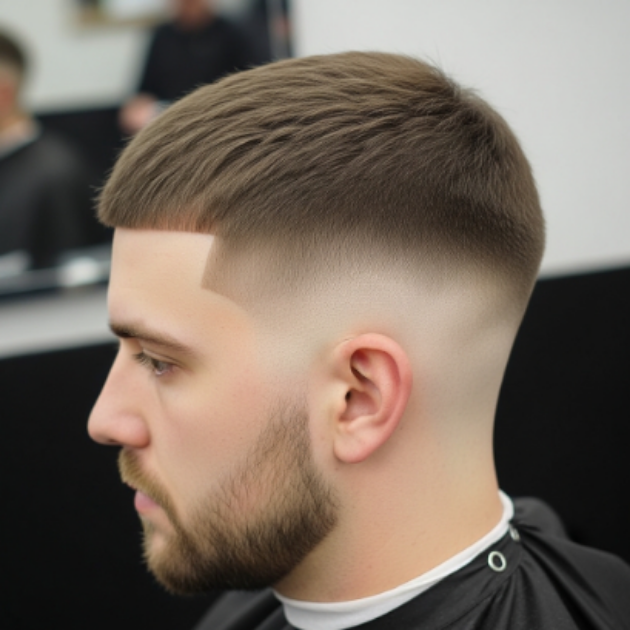
Short fades are clean, no-fuss, and incredibly sharp-looking. Styles like a textured crop fade, a buzz cut with a fade, or a short Caesar cut paired with a low or mid fade look neat and crisp without any real styling effort. They’re particularly popular among men who want a low-effort, high-impact grooming routine.
2. Medium-Length Fade Styles Versatile Looks
Medium-length tops give you the most styling flexibility. A French crop, a slick back, or a textured quiff all look brilliant over a well-blended mid or low fade. You have enough hair on top to experiment with different products and styles while the fade keeps the sides looking sharp and intentional.
3. Long Top Fades Bold and Stylish
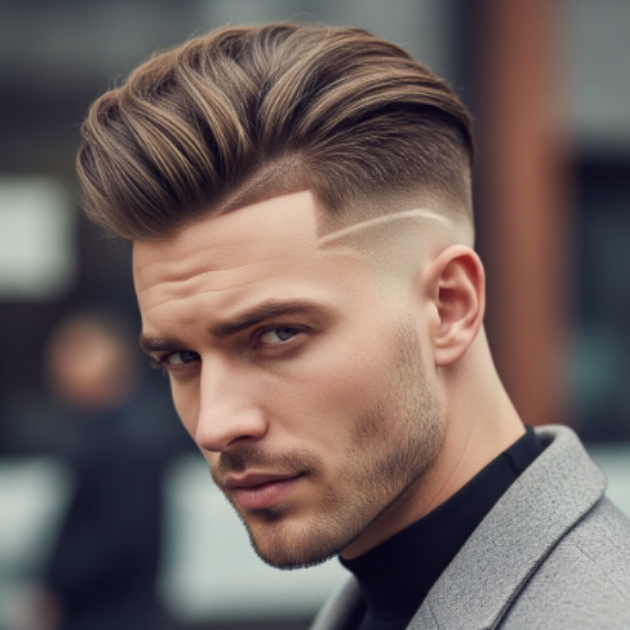
Long hair on top paired with a tightly faded base creates a dramatic, high-contrast look that’s genuinely striking. Pompadour fade haircuts, Mohawks, man buns, and even loose, flowing tops all benefit from a clean fade underneath. The contrast between the length on top and the shortness on the sides makes the whole style feel purposeful and bold.
How to Style Different Types of Fades?
Styling a fade is really about two things: keeping the top looking intentional and keeping the sides sharp. The right product and the right tools make both of these things much easier to achieve on a daily basis.
No matter which fade you choose, the goal is the same a clean, balanced look where the top style and the faded sides complement each other. Here’s how to approach styling for the main fade types.
Styling Advice for Skin Fades, Drop Fades, and Burst Fades
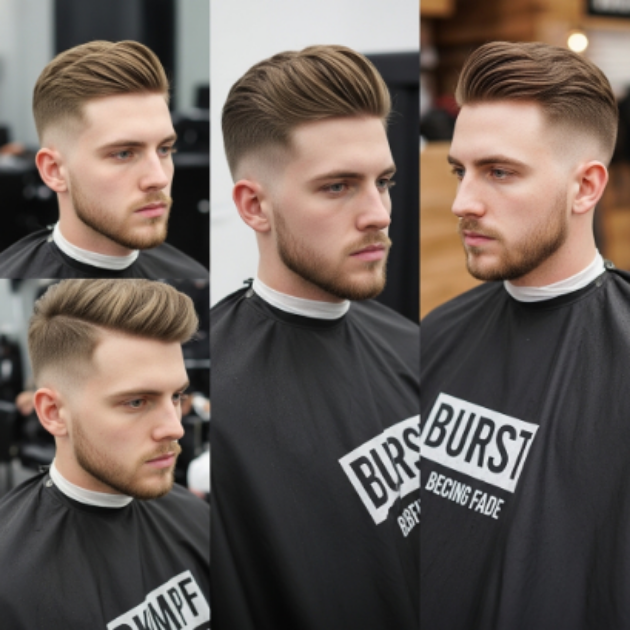
Skin fades look best when the top is styled with light pomade or wax to keep things crisp and defined. Drop fade hairstyles and burst fade haircuts, which both have a more organic, curved shape, work really well with creams that enhance natural texture rather than slicking the hair flat. For all three, refreshing your edges with a trimmer between barber visits helps maintain the outline without needing a full cut.
Tools and Products for the Best Hold and Texture
Here are the essentials worth having in your grooming kit:
- High-quality clippers and a detailer trimmer for home touch-ups
- A wide-tooth comb for sectioning and a finer comb for styling
- A blow dryer to add volume and guide the direction of your hair
- Matte clay or paste for strong hold and a natural finish
- Lightweight pomade for a sleeker, more defined look
- Volumizing mousse or powder for thinner hair that needs lift
- A light serum or leave-in conditioner for curly hair fade styles to manage frizz
How to Avoid Common Fade Styling Mistakes?
The biggest mistake most men make is overloading their hair with product. Too much pomade or clay makes the hair look greasy and heavy not sharp. Start with a small amount, work it through evenly, and add more only if needed. The second most common mistake is ignoring the scalp. Dry, flaky skin around a skin fade is very visible, so moisturize regularly. Finally, don’t skip your two-to-three-week trim. Even the best fade in the world looks rough when it grows out unevenly.
Conclusion
The fade isn’t a trend it’s a staple. After decades of evolution, from its military roots through the hip-hop era and into today’s barbershop culture, the fade has proven that it’s not going anywhere. It adapts, it evolves, and it suits just about every man who tries it. That’s a rare quality in any hairstyle.
What makes different types of fade haircuts so enduringly popular is their flexibility. You can dial them up or down, keep them subtle or make them bold, pair them with almost any style on top, and customize them with everything from hard parts to hair tattoos. Whether you’re brand new to fades or looking to try something fresh, there’s always a version of the fade that fits exactly who you are right now and who you want to be.

