
Walking into a barbershop without knowing what to ask for is a recipe for disaster. You sit down, the barber asks “what are we doing today?”, and suddenly you’re describing a haircut with your hands instead of words. That’s where understanding the different Types of Fade Haircuts for Men comes in handy.
A fade is one of the most requested men’s haircuts today, and for good reason. It’s clean, it’s versatile, and it works with almost any hair type or face shape. But “fade” isn’t just one haircut it’s a whole family of styles, each with its own personality. Some are subtle and professional. Others are bold and make a statement.
In this guide, you’ll learn exactly what separates a fade from a taper, explore the most popular fade styles, and figure out which one fits your face shape, hair type, and lifestyle. By the end, you’ll walk into your next barber appointment with confidence and the right words to describe what you want.
What Is a Fade Haircut? Understanding the Basics
So, what is a fade haircut exactly? At its core, it’s a haircut where the hair gradually shortens as it moves down the sides and back of the head. There’s no harsh line where the hair suddenly stops. Instead, it blends smoothly, almost like a gradient on a photo editing app. This blend can go all the way down to bare skin or stop at a very short length, depending on the style you choose.
What makes a fade different from other cuts? A taper is gentler it tapers off but never gets quite as dramatic. An undercut, on the other hand, has a sharp contrast with no blending at all between the long top and short sides. A fade sits in its own lane because of that seamless transition. It’s neat, it’s modern, and it pairs well with almost any top style, from a textured crop to a slicked-back pompadour.
Fades aren’t new, by the way. They trace back to military haircuts, valued for being practical and low-maintenance. Then came the 80s and 90s, when hip-hop culture turned the high-top fade into a cultural icon. Since then, fades have only grown more popular, evolving into the many different Types of Fade Haircuts for Men you see today. They balance structure with style, which is probably why they’ve never really gone out of fashion.
Fade vs. Taper vs. Skin Fade: What’s the Difference?
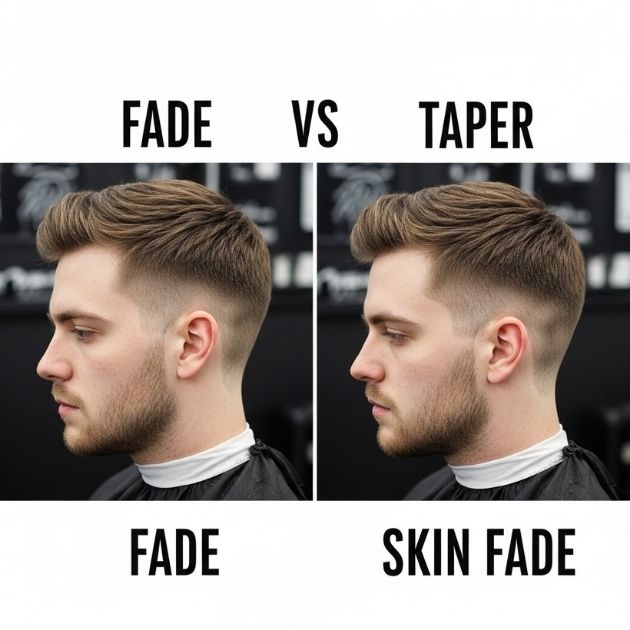
If you’ve ever felt confused trying to explain a fade vs taper haircut difference to your barber, you’re not alone. These terms get thrown around a lot, and they often overlap in people’s minds. But each one has a distinct look, and knowing the difference can save you from an awkward “that’s not what I asked for” moment.
A taper keeps some length around the ears and neckline. The change in length is subtle almost like the hair is gently fading into itself rather than dramatically shrinking. A standard fade, however, creates more contrast. The blend extends higher up the head, and the shortest point is noticeably shorter than a taper’s shortest point. Then there’s the skin fade, which takes things to the extreme. The lowest point of a skin fade goes all the way down to bare skin no hair at all.
Here’s a quick comparison to make things clearer:
| Feature | Taper | Fade (Standard) | Skin Fade |
| Length at Shortest | Keeps length near ears & neckline | Very short but not bald | Completely bare skin |
| Placement | Follows natural hairline | Blend extends higher up | Can be low, mid, or high |
| Contrast | Soft, subtle | Noticeable | Strongest, sharpest |
| Vibe | Classic, professional | Trendy, stylish | Bold, clean |
| Maintenance | Low | Moderate | High |
When to Pick a Fade vs. a Taper?
Choosing between a fade and a taper really comes down to your lifestyle and the image you want to project. If you’re after something that grows out gracefully and doesn’t need constant touch-ups, a taper might be your best friend. If you want something sharper that turns heads, a fade especially a skin fade delivers that punch.
A professional or classic look

A taper tends to read as more business-appropriate. Its subtle blend doesn’t scream for attention, which makes it a safe choice for office environments, interviews, or conservative workplaces. It’s the kind of cut that looks intentional without looking flashy. For anyone after a best fade haircut for professional look, a soft taper or low fade often hits the mark.
Related Post: Modern Short Messy Crew Cut: Clean, Fast, On-Trend
Lower maintenance
Since a taper grows out more evenly, you won’t need to rush back to the barber every two weeks. This makes it ideal if your schedule is unpredictable or you simply don’t enjoy frequent haircuts. It’s a low-stress option that still looks put together.
Versatility
Tapers work beautifully with medium-to-longer hair on top. You get a natural flow from top to sides, and you’re not locked into one specific style. Whether you want to slick it back or let it fall naturally, a taper adapts with you.
A bold, modern style
A fade particularly a skin fade creates serious contrast. That contrast makes whatever you’re doing on top really pop. If you’ve got volume, texture, or an interesting design, a fade puts it on display.
To accentuate facial features
Higher fades can actually help balance out certain face shapes. For example, a high fade can elongate a rounder face while adding structure. It’s a small change that makes a noticeable difference in how your face reads overall.
A very clean finish
Nothing beats a skin fade for sheer cleanliness. It looks crisp, fresh, and almost sculpted. Plenty of guys choose this option in warmer months when they want something that feels lighter and more polished.
To try a trendy look
Fades are constantly being reinvented. From blurry fades to disconnected styles, there’s always a new variation worth trying if you like to keep your look current.
Top 7 Essential Types of Fade Haircuts
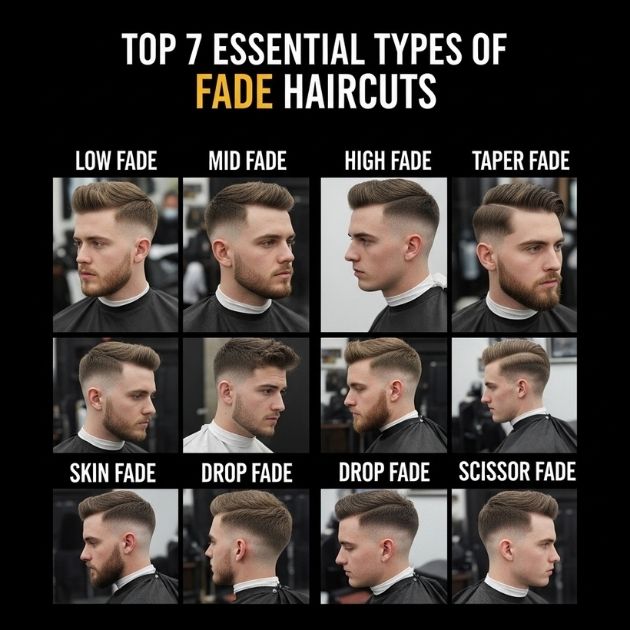
When people search for the best men’s fade haircut styles, these seven usually top the list. Each one has its own vibe, ranging from understated to downright bold, so there’s something here for nearly everyone.
Let’s break each one down so you know exactly what you’re asking for next time you sit in the chair.
1. Low Fade Subtle and Stylish
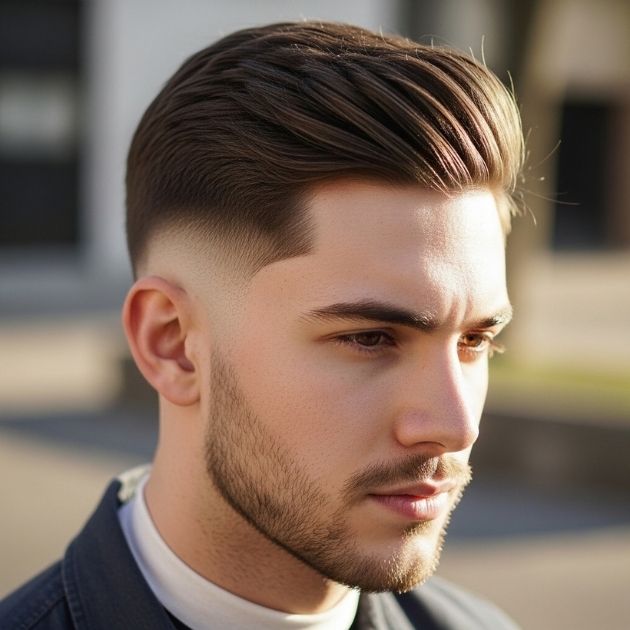
The low fade haircut starts just above the ear, keeping things understated. It’s a great entry point if you want a fade but aren’t ready to go too dramatic. This style works especially well for guys in professional settings who still want a touch of modern flair.
2. Mid Fade Balanced and Versatile
A mid fade haircut sits around the temple area, right in that sweet spot between subtle and bold. It’s incredibly adaptable you can pair it with almost any hairstyle, from a quiff to a simple comb-over, and it’ll look great either way.
3. High Fade Bold and Defined
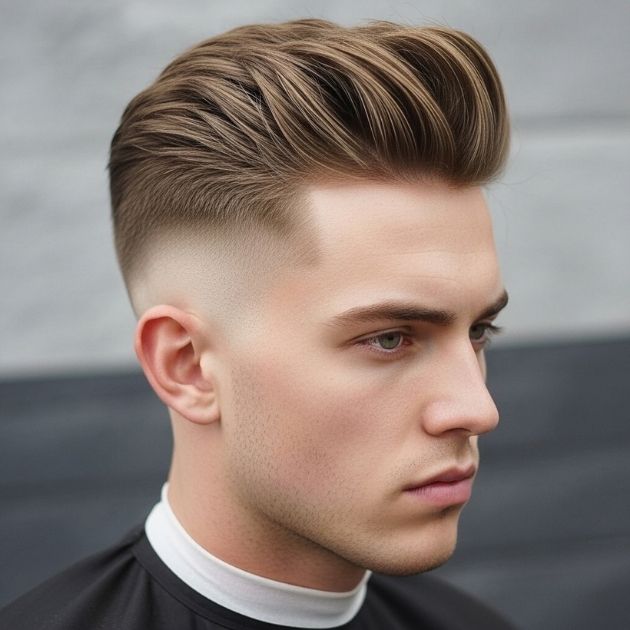
The high fade haircut starts much higher on the head, creating serious contrast with the top. It’s sharp, attention-grabbing, and works wonders if you want your hairstyle on top to really stand out. This one’s a favorite among guys who like a more dramatic look.
4. Skin (Bald) Fade Clean and Modern
Also called a zero or bald fade, the skin fade haircut blends hair all the way down to bare skin. You can combine this with a low, mid, or high placement, giving you flexibility in how intense you want the contrast to be. It’s one of the cleanest, most modern looks out there.
5. Drop Fade Unique Curved Fade
A drop fade haircut curves downward behind the ear, creating a distinctive outline that differs from a typical straight fade line. It adds shape and personality, making it a favorite for guys who want something a little different from the standard look.
6. Burst Fade Retro Meets Contemporary
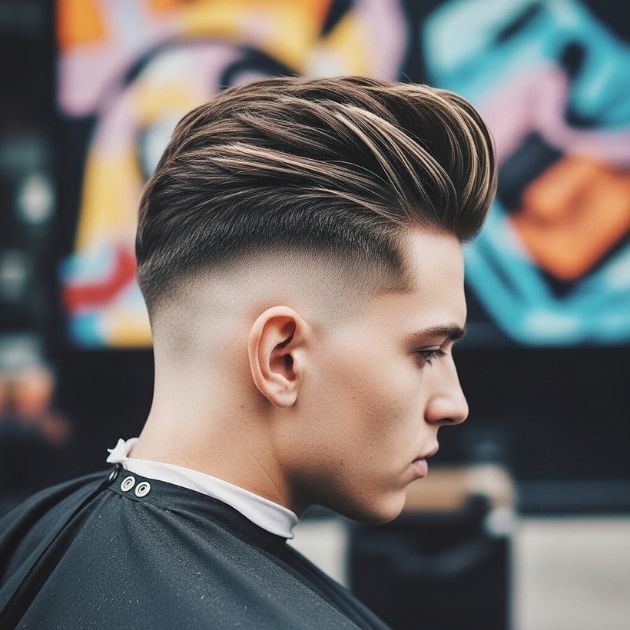
The burst fade hairstyle wraps around the ear in a circular pattern while leaving length in the back. This creates a throwback vibe that pairs especially well with mohawks or spiky tops. It’s a fun mix of old-school and new-school styling.
7. Temple (Taper) Fade Sharp and Sleek
A temple fade haircut focuses tightly on the temple area and neckline, creating a crisp outline without going overly dramatic. It’s sleek, neat, and a bit more subtle than a full fade perfect for guys who want definition without too much contrast.
Speciality Types of Fade Haircuts and Trending Variations in 2026
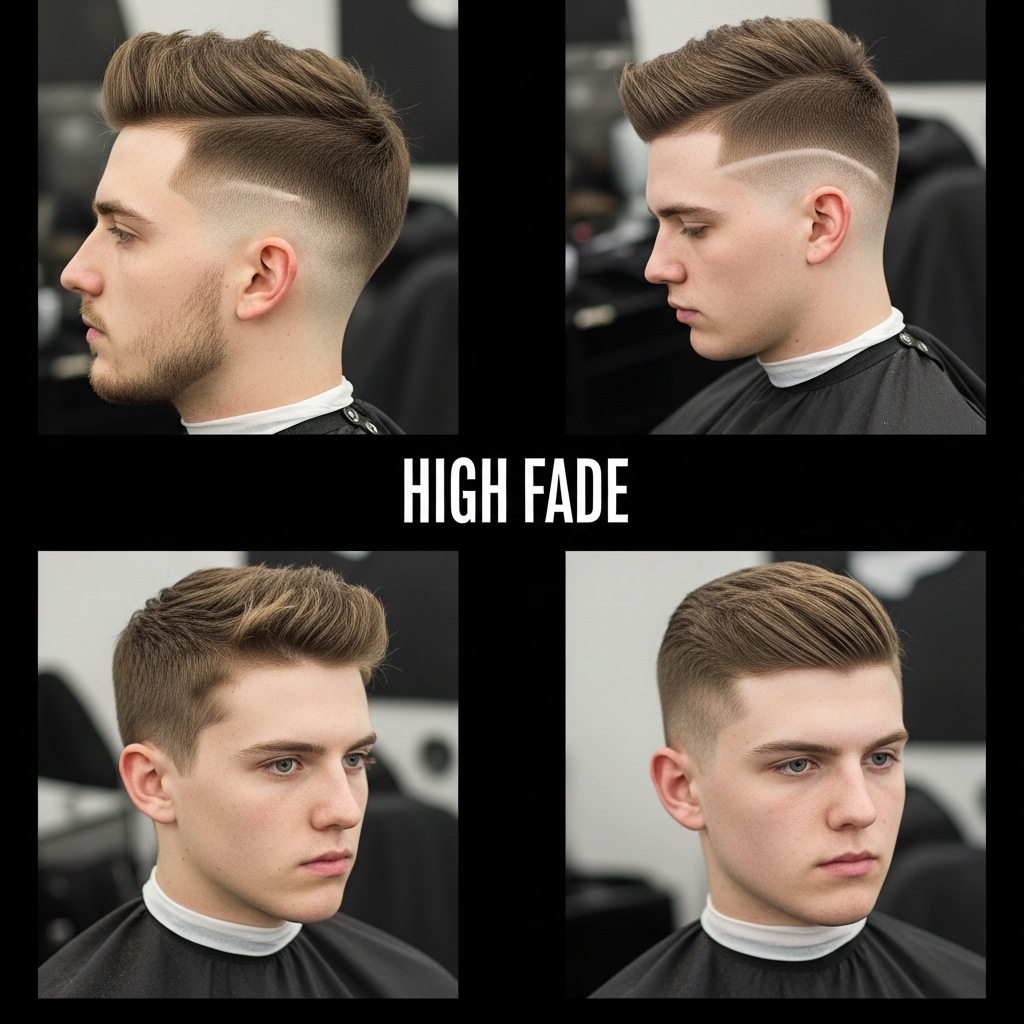
Beyond the classics, there’s a whole world of trendy fade hairstyles gaining popularity. These variations take the basic fade concept and twist it into something fresh, often blending multiple techniques for a more personalized result.
In 2026, personalization is the name of the game. Guys aren’t just asking for “a fade” anymore they’re asking for specific combinations that reflect their personality, hair type, and even their mood. Let’s look at some of the most popular options making waves right now.
Blurry Fade
A blurry fade blends so seamlessly you genuinely can’t tell where it starts or ends. It’s soft, clean, and works beautifully if you want something that looks effortless but is actually quite technical to achieve.
Shadow Fade
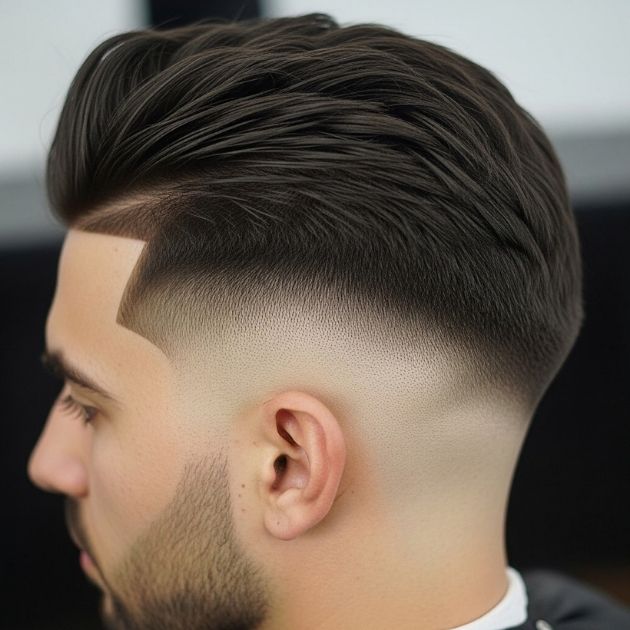
Instead of going completely bald at the bottom, a shadow fade leaves a light layer of hair. This creates a softer transition that’s less harsh than a skin fade but still offers plenty of contrast, especially when paired with a textured top.
Disconnected Fade
This style creates a sharp, intentional break between the long top and the faded sides no gradual blend here. It’s bold, it’s confident, and it makes a real statement if you want something with a bit of edge.
Scissor Fade
Unlike clipper-based fades, a scissor fade uses scissors to create a softer, more natural transition. It’s gentler on your hair and grows out more evenly, making it a good choice if you’re not into frequent touch-ups.
Box Fade
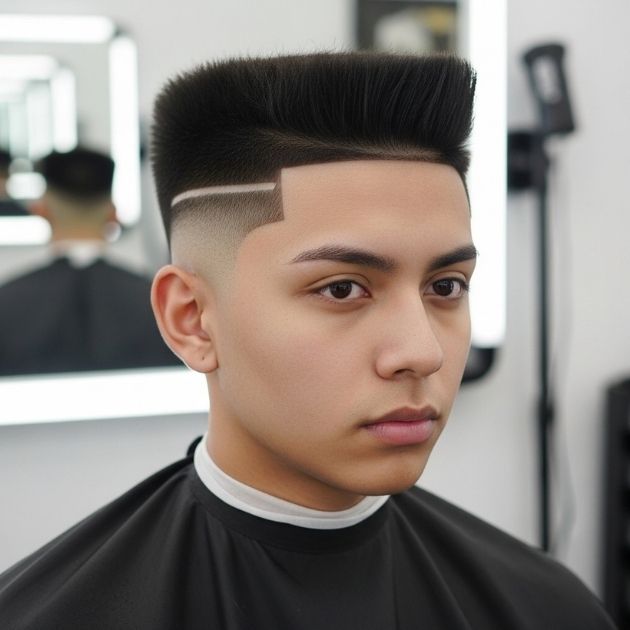
A box fade creates a sharp contrast between a boxy top and faded sides. This style particularly suits dense, kinky, or coily hair textures, giving extra height and definition on top.
Fade with Hair Tattoos and Hard Parts
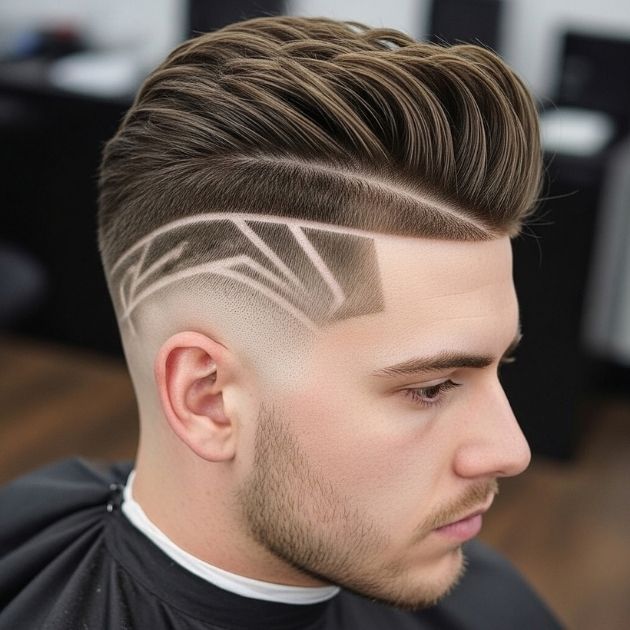
Adding a hair tattoo or hard part takes any fade to the next level of personalization. These small design details whether a shaved line or a more intricate pattern add character and make your fade haircut with textured top truly one of a kind.
Mullet Fade and Pompadour Fade
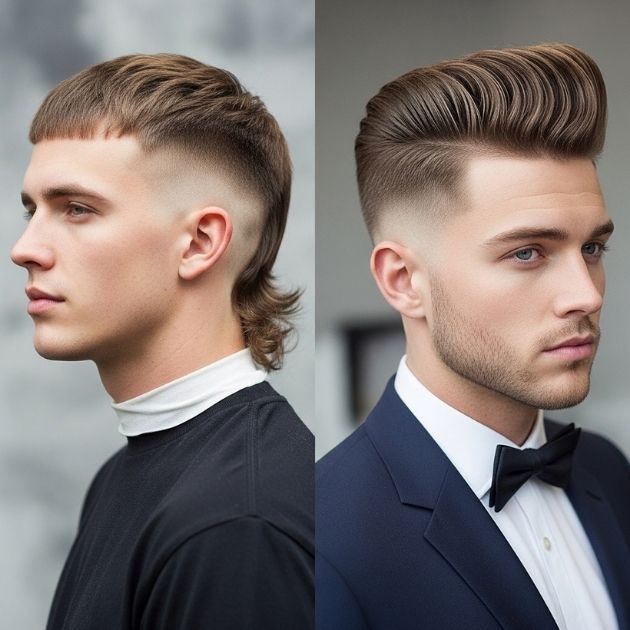
The mullet fade keeps length in the back while fading the sides, giving off a modern-meets-retro vibe that’s especially popular with younger guys. The pompadour fade, meanwhile, combines height and volume on top with clean, faded sides classic on top, tidy everywhere else.
Choosing the Right Fade for Your Face Shape & Hair Type
Picking the best fade haircut for face shape isn’t just about what looks cool on Instagram. It’s about what actually flatters your features. Oval faces are lucky nearly any fade works. Square faces tend to look great with sharper fades, while round faces often benefit from high fades that add some visual length. Heart-shaped faces usually do well with medium fades that balance out a narrower chin.
Hair type matters just as much as face shape. A fade haircut for straight hair tends to look sleek and sharp, almost like it was drawn with a ruler. A fade haircut for curly hair, on the other hand, often looks better with some texture left on top it adds volume and keeps things from looking too flat. Thick hair can handle bolder, more dramatic fades, while thinner hair usually looks better with something softer and more subtle. And don’t forget your routine shorter fades need more frequent trims, so be honest with yourself about how often you’re willing to visit the barber.
How to Communicate Your Desired Fade to Your Barber?
Knowing how to ask a barber for a fade can make or break your haircut experience. Barbers see dozens of clients a week, and clear communication helps them understand exactly what you’re picturing instead of guessing.
Start with the basics: mention guard numbers if you know them, and use simple terms like “skin fade” or “blended fade.” Bring reference photos if you have them a picture really is worth a thousand words here. Be specific about where you want the fade to start, how high it should go, and how gradual or sharp the blend should be. Don’t be afraid to ask your barber questions either. Ask about their experience with different types of fade haircuts, and how they plan to blend the sides into your top. A good barber will welcome the conversation, not be annoyed by it.
Maintenance Tips for Keeping Your Fade Fresh
A fade looks amazing on day one. The real challenge is keeping it looking that way. Fortunately, with a bit of routine care, you can stretch out that “fresh from the barber” feeling much longer than you’d expect.
Maintenance isn’t complicated, but it does require consistency. Skip a few trims, and even the sharpest fade starts looking shaggy and undefined. The good news? A little effort goes a long way.
How Often To Trim
For skin fade maintenance, plan on visiting the barber every 2 to 3 weeks. Fades grow out faster than other haircuts because the contrast becomes obvious quickly. So, how often should you trim a fade? If you want it looking sharp constantly, every two weeks is ideal. If you’re okay with it softening slightly, three weeks works too.
Recommended Hair Care Routines
Wash and condition your hair regularly to keep both your scalp and hair healthy. This matters even more with fades since the shorter sides can get dry or irritated without proper care. A healthy scalp also helps your hair grow in looking fuller and more even.
Products That Help Maintain Clean Fades
Light pomade, clay, or styling cream can keep the top defined without making it look greasy or weighed down. These products help maintain the contrast between your fade and the top, especially as your hair grows out slightly between trims.
Quick Daily Styling Tips
Each morning, comb or brush the top into place, add a small amount of product, and clean up any stray edges. This quick routine takes less than five minutes but makes a noticeable difference in how put-together your fade looks throughout the day.
Fade Haircuts by Hair Length
Different types of fade haircuts work across nearly every hair length, which is part of why they’re so popular. Whether you keep things short or let the top grow out, there’s a fade that’ll complement it.
The key is matching the fade to your top length in a way that feels balanced rather than mismatched. Too much contrast with too little length on top can look unfinished, while too little contrast with a lot of length might not showcase the fade at all.
1. Short Fade Haircuts Crisp and Easy
Short fades are about as low-maintenance as it gets. Styles like buzz cuts, high-and-tight, or short Caesar cuts pair perfectly with a fade, giving you a clean, crisp look that requires minimal styling.
2. Medium-Length Fade Styles Versatile Looks
Medium-length tops give you room to play while keeping the sides sharp. French crops, slick backs, and textured quiffs all work beautifully here, offering flexibility without sacrificing that clean fade look.
3. Long Top Fades Bold and Stylish
For maximum contrast, long top fades pair dramatic length on top with sharply faded sides. Pompadours, man buns, and mohawks all stand out when contrasted against a tight fade it’s a combination that demands attention.
How to Style Different Types of Fades?
Styling a fade isn’t just about the haircut itself it’s about what you do with the top afterward. The right products and techniques can completely transform how your fade looks day to day.
Getting this right comes down to understanding contrast, keeping edges fresh, and using the right tools consistently.
Styling Advice for Skin Fades, Drop Fades, And Burst Fades
Skin fades pair well with light pomade or wax for added definition on top. Drop fades and burst fades, on the other hand, look best with creams that enhance natural texture rather than flatten it. Whichever style you’ve got, keep those edges fresh by touching up regularly.
Tools And Products For The Best Hold And Texture
Quality clippers and trimmers are non-negotiable for clean lines. Various guard sizes moving gradually from something like a #1 to a #3 help create that seamless blend. A good comb helps with sectioning, especially if you’ve got more length on top, and a blow dryer with a round brush adds volume during styling prep. For products, matte clay gives a natural finish with strong hold, lightweight pomade adds sleekness and definition, volumizing mousse helps thinner hair look fuller, and a light anti-frizz serum keeps things smooth without weighing hair down. Don’t forget scalp moisturizer either it prevents dryness in those freshly faded areas.
How To Avoid Common Fade Styling Mistakes?
The biggest mistake? Overloading your hair with product. A little goes a long way. Also, work with your natural growth pattern instead of against it, and blend slowly rather than rushing. Stick to that 2-3 week trim schedule, and don’t skip moisturizing your scalp dryness can make even a perfect fade look rough around the edges.
Conclusion
A fade haircut is one of those styles that just works, no matter who you are. There are so many Types of Fade Haircuts for Men out there, from subtle low fades to bold, eye-catching designs. Each one brings its own personality, so you’re bound to find one that fits your face shape, hair type, and daily routine.
The best part is you don’t have to stick with just one style forever. Fades grow and change easily, so feel free to experiment over time. Start with something simple, talk openly with your barber, and don’t be afraid to try a new variation on your next visit. With so many Types of Fade Haircuts for Men to choose from, looking sharp has never been easier.

